
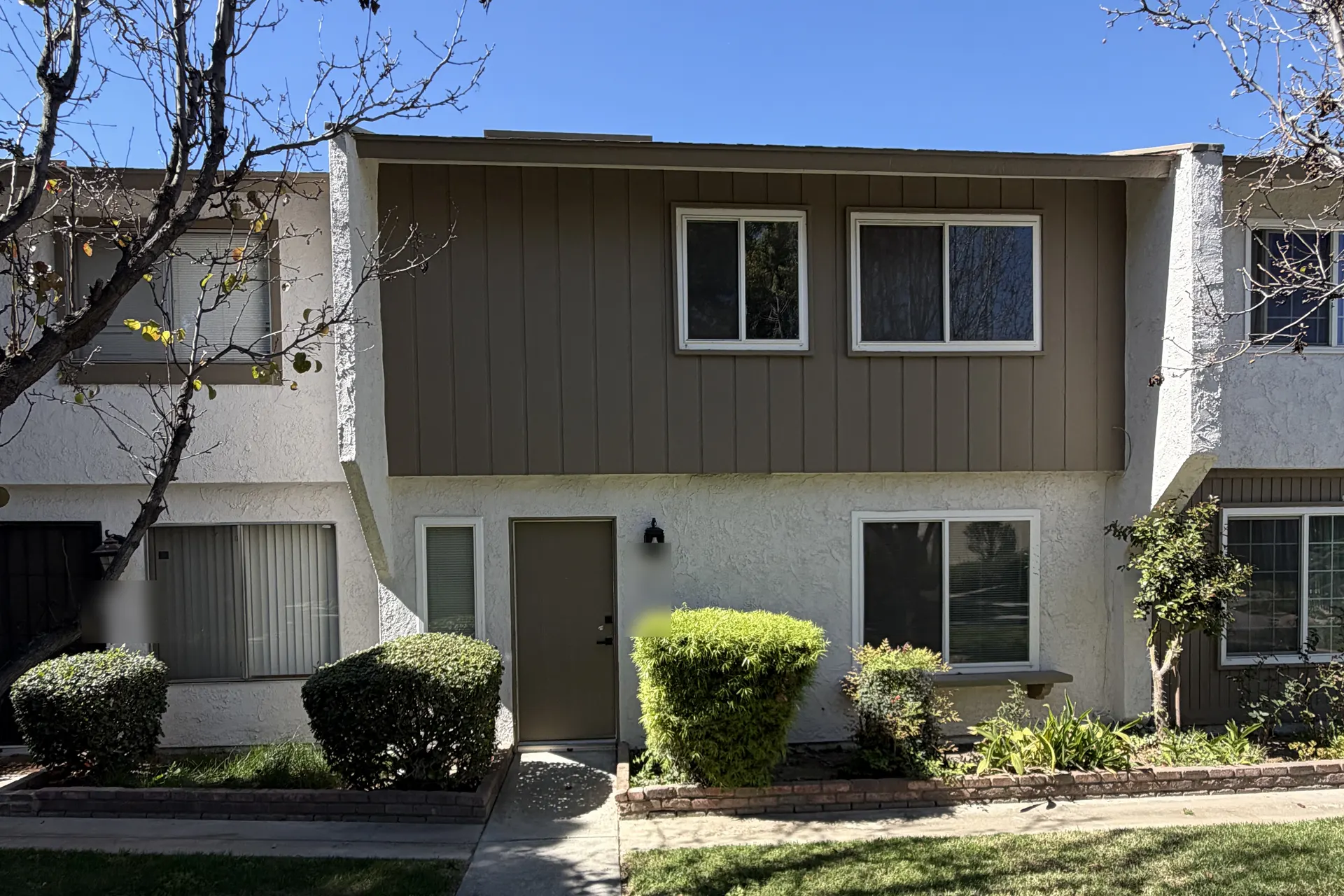
You've found a house you like, the listing photos look good, and you send a message asking about a tour. What happens next is covered by California's fair housing law, and it applies earlier than most renters realize. It covers the ad you answered, the questions asked on the phone, how the application is handled, and the terms in the lease.
This post walks through what the law protects, what it looks like in practice when you're searching for a rental, and what to do if something seems off. It's a companion to our posts on getting approved, renting with less-than-perfect credit and application fees, which cover the screening steps themselves.
Key takeaways
- California's housing law protects more characteristics than the federal Fair Housing Act, including source of income, immigration status, primary language and age.
- The protections apply to the whole process: ads, tours, applications, lease terms, repairs and renewals, not only the yes-or-no decision.
- A landlord can screen on consistent, written, lawful criteria. Treating applicants differently on a protected characteristic is what the law prohibits.
- Disability rules let you ask for a change to a policy (an accommodation) or a physical change to the unit (a modification). Putting the request in writing helps both sides.
- If something feels off, start with the property manager. The California Civil Rights Department takes housing complaints if that doesn't settle it.
What California protects
The California Civil Rights Department (CRD) lists these protected characteristics for housing: race, color, ancestry, national origin, citizenship, immigration status, primary language, religion, disability (mental or physical), sex, gender, gender identity, gender expression, sexual orientation, marital status, familial status, source of income, military or veteran status, genetic information and age.
Familial status means having children under 18 in the household, or being pregnant. Source of income includes Section 8 and other housing vouchers. If you're renting with a voucher, our post on application fees has a section on how screening works for subsidy holders.
Most of these come from the state's Fair Employment and Housing Act. CRD notes that age is covered under a separate law, the Unruh Civil Rights Act, which is why the state's list looks longer than the federal one.
What this looks like when you're searching
Fair housing questions rarely arrive as a dramatic moment. They show up in small, ordinary places.
In the listing. An ad can't say who is or isn't welcome. Phrases that limit by family size, age, religion or income source are a problem, and CRD points out that this applies even to a homeowner renting out one room in an owner-occupied house. A listing can describe the home, such as the number of bedrooms, the square footage and whether it's near a school. It shouldn't describe the kind of person who should apply.
On the phone or at the tour. A property manager can tell you the rent, the move-in date, the application steps and the criteria. Telling you a unit is gone when it's still available, steering you to a different building or floor, or answering your questions more slowly than someone else's are all treatment that CRD lists as discrimination. So is refusing to negotiate with you.
In the application. Every applicant for the same home should get the same written criteria, the same fee and the same review. A manager can't ask about immigration status, and a screening standard that's applied to one applicant and skipped for another is a fair housing problem even if no one meant it that way. Criminal history has its own state rules: no blanket bans, and no decisions based on arrests that didn't lead to a conviction.
In the terms. Different deposit amounts, different lease length options or extra conditions for one household and not another are what CRD calls inferior terms. The rent and deposit should follow the home and the written policy, not who's applying.
Why consistency protects everyone
Property managers who follow written criteria for every applicant are protecting the owner, the next applicant and themselves. When two households apply for the same home, the first complete application that meets the written standards is reviewed first, or the manager uses the other method California allows and tells applicants which one applies. Either way, the process is the same for everyone.
As an applicant, you can ask for the criteria up front. A manager who can hand you a one-page list of income, credit and rental history standards has nothing to hide, and you'll know before paying a fee whether your application fits.
Disability: accommodations and modifications
Two terms matter here, and they're easy to mix up.
An accommodation is a change to a rule or policy. The most common example is an exception to a no-pets rule for a service animal or an emotional support animal. CRD says these animals aren't subject to pet breed, size or weight limits and can't be charged pet deposits or pet rent.
A modification is a physical change to the home, such as grab bars in a bathroom or a ramp at the entry. Under CRD's guidance, the tenant generally pays for a modification, with exceptions: government-subsidized housing, a need that comes from a failure to maintain the property, and accessibility features the building should have had when it was built. Most managers will ask to approve the plan and the contractor, and they may ask that the unit be returned to its original condition when you leave. That's a normal conversation, not a refusal.
The practical tip is to put the request in writing, a short email is fine, say what you need and why it relates to a disability, and keep a copy. A written request gives the manager something specific to respond to and gives you a record.
Retaliation and harassment
Fair housing protection doesn't end at move-in. CRD lists harassment and retaliation as prohibited, including retaliation against someone who asked for a reasonable accommodation or filed a complaint. That means a request for an accommodation shouldn't affect how your maintenance requests or renewal are handled.
Questions you can ask without worry
Knowing your rights is easier when you know what's fair to ask. These questions are ordinary, and a good property manager answers them every week:
- What are the written rental criteria for this home, including income, credit and rental history?
- How do you review applications: first complete application, or all applications received by a deadline?
- What's the application fee, and what does it cover?
- Is the home available now, and on what date can I move in?
- If I have a service animal or need a change to the home for a disability, how do I make that request?
Asking these gets you the same information every other applicant gets. If the answers differ from what the written criteria say, or you can't get an answer at all, that's worth noting.
If something seems off
Most misunderstandings come from a policy that wasn't explained clearly. Start by asking the property manager what the criteria or policy is and, if you can, how it applies to you. Keep your questions and their answers in writing.
If that doesn't resolve it, the California Civil Rights Department takes housing complaints at 800-884-1684 or through its website, and the federal HUD also accepts them. CRD's housing FAQ says a complaint generally must be filed within one year of the date of the act. For legal questions about your situation, the California Courts self-help center or a tenant attorney can explain your options.
Ready to start your search?
Ask for the written criteria before you pay a fee, and you'll know how your application will be reviewed. Browse the current homes for rent or start an application when you've found the one.
Common questions
- What does California fair housing law protect renters from?
- It prohibits discrimination in renting based on characteristics including race, color, ancestry, national origin, citizenship, immigration status, primary language, religion, disability, sex, gender, gender identity, gender expression, sexual orientation, marital status, familial status, source of income, military or veteran status, genetic information and age, according to the California Civil Rights Department.
- Can a landlord refuse to rent to someone with a Section 8 voucher?
- No. California treats source of income, including housing vouchers, as a protected characteristic. A listing that says "no Section 8" is the kind of statement the Civil Rights Department identifies as discriminatory advertising.
- Can I have a service animal or emotional support animal in a no-pets rental?
- A no-pets rule must be adjusted as a reasonable accommodation where the animal is necessary because of a disability. The Civil Rights Department says these animals aren't subject to pet breed, size or weight limits and can't be charged pet deposits or pet rent.
- Who pays for a physical change to the home because of a disability?
- Generally the tenant pays for a modification such as grab bars or a ramp. The Civil Rights Department lists exceptions for government-subsidized housing, needs that come from a failure to maintain the property, and accessibility features the building should have had when it was built.
- How long do I have to file a housing discrimination complaint in California?
- The Civil Rights Department's housing FAQ says a complaint generally must be filed within one year of the date of the alleged act. Start by talking with the property manager, and if it comes to more than that, the California Courts self-help center or a tenant attorney can explain your options.
Sources
- https://calcivilrights.ca.gov/housing/ — retrieved November 24, 2026
- https://calcivilrights.ca.gov/wp-content/uploads/sites/32/2022/11/Fair-Housing-Fact-Sheet_ENG.pdf — retrieved November 24, 2026
- https://www.hud.gov/program_offices/fair_housing_equal_opp/online-complaint — retrieved November 24, 2026